
From Biomass to Fiber Performance
The Pulping and Bleaching Laboratory supports research and industry work across the fiber processing workflow—from biomass preparation and pulping to bleaching, refining, and fiber characterization.
These capabilities allow researchers and industry partners to evaluate how raw materials and processing conditions influence pulp quality and paper-making performance.
Pulping Processes
The laboratory supports pulping studies across multiple feedstocks and process approaches, allowing researchers and industry partners to evaluate how materials respond under different pulping conditions.
Capabilities include:
- Kraft pulping of hardwood, softwood, and non-wood agricultural residues
- Chemi-mechanical pulping of hardwood, softwood, and non-wood agricultural residues
Equipment includes:
- M/K digesters
- Rotary digesters
- Sprout-Waldron disk refiner
Recycling and Recovered Fiber Studies
The laboratory also supports studies focused on paper recyclability and the behavior of recovered fiber streams.
Capabilities include:
- Paper and paperboard repulpability
- Recycled fiber characterization
Equipment includes:
- Benchtop pulper (8 liter)
- Lamort pulper (15 gallon)
- British disintegrator
- Somerville Screen
Bleaching Processes
The laboratory supports several bleaching and delignification processes used to study lignin removal, brightness development, and changes in pulp properties.
Capabilities include:
- Oxygen delignification
- Chlorine dioxide delignification/bleaching
- Hydrogen peroxide bleaching
- Hypochlorite bleaching
Equipment includes:
- Oxygen Delignification Reactor
Refining and Handsheet Formation
After pulping and bleaching, fibers can be refined and formed into laboratory handsheets to evaluate papermaking performance.
Capabilities include:
- Canadian Standard Freeness (CSF)
- Drainage measurement using Britt Jar
- Hollander Beater and PFI mill refining
- Standard TAPPI handsheet forming
- Water retention value
Equipment includes:
- Sprout Waldron 12” Disk Refiner
- PFI Mill (Not pictured below)
- Handsheet Mold (Not pictured below)
Pulp Fiber Characterization
The laboratory provides tools for examining fiber morphology and cellulose properties, helping connect process conditions to fiber performance.
Capabilities include:
- FQA fiber morphology analysis
- Bauer-McNett fiber classifier
- Pulp fiber viscosity
- Degree of cellulose polymerization
- Content of alpha cellulose, beta cellulose, and gamma cellulose in pulp fibers
Equipment includes:
- Fiber Quality Analyzer (FQA)
- Bauer McNett Type Fiber Classifier
- Gel Permeation Chromatography (GPC) Molecular Weight Distribution Measurement
Our Equipment
By combining pulping, bleaching, refining, recycling, and fiber characterization in one place, the laboratory supports work across the pulp and paper process—from feedstock preparation to measurable fiber performance. Please see our listing of specific capabilities and tests below and contact us about your project needs.
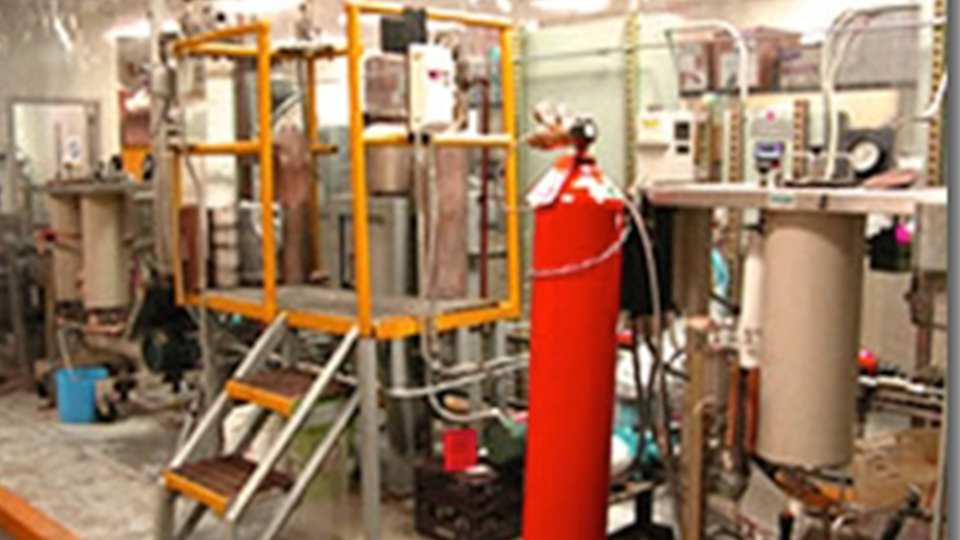
Integrated Multiple M/K Digesters System for Pulping Process Simulation
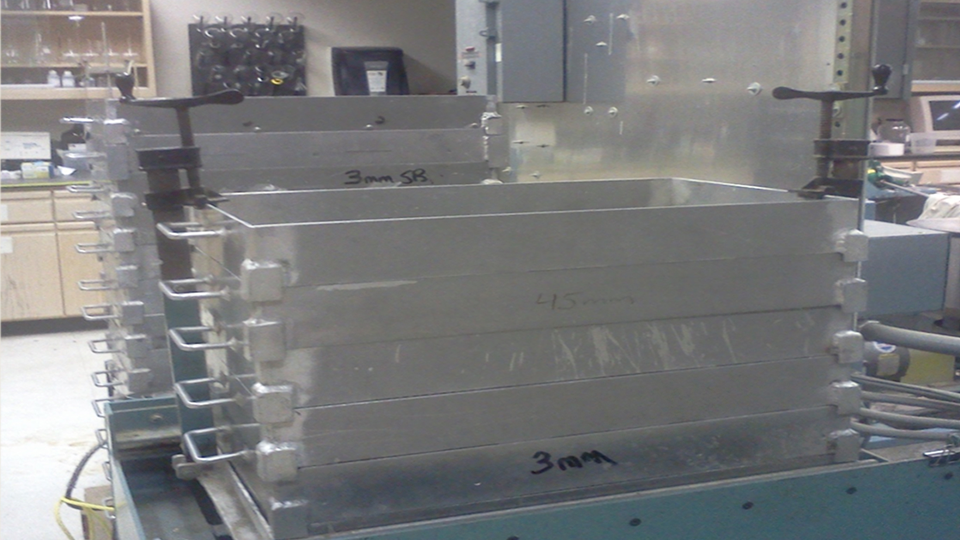
Wood Chip Classifier/Screener
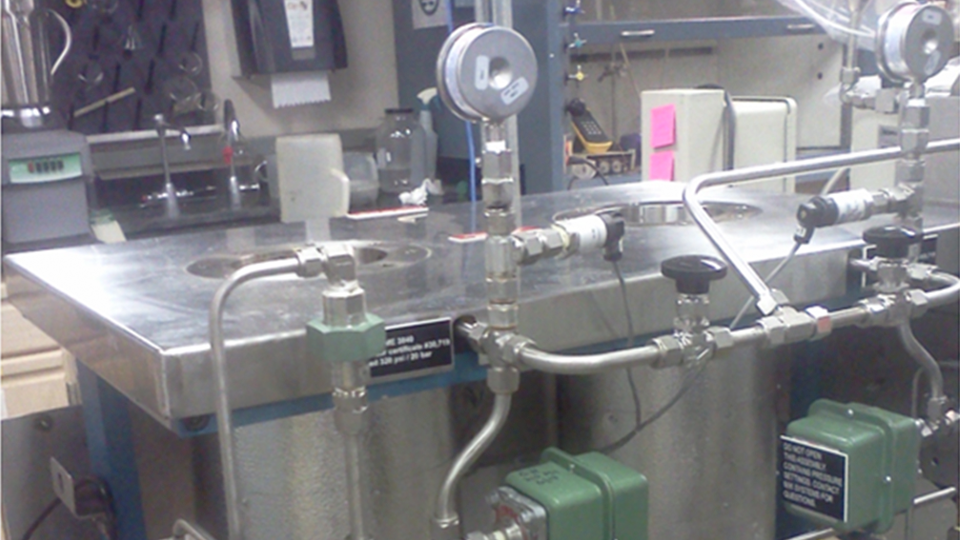
Dual M/K digester with Forced Circulating (8 L capacity)
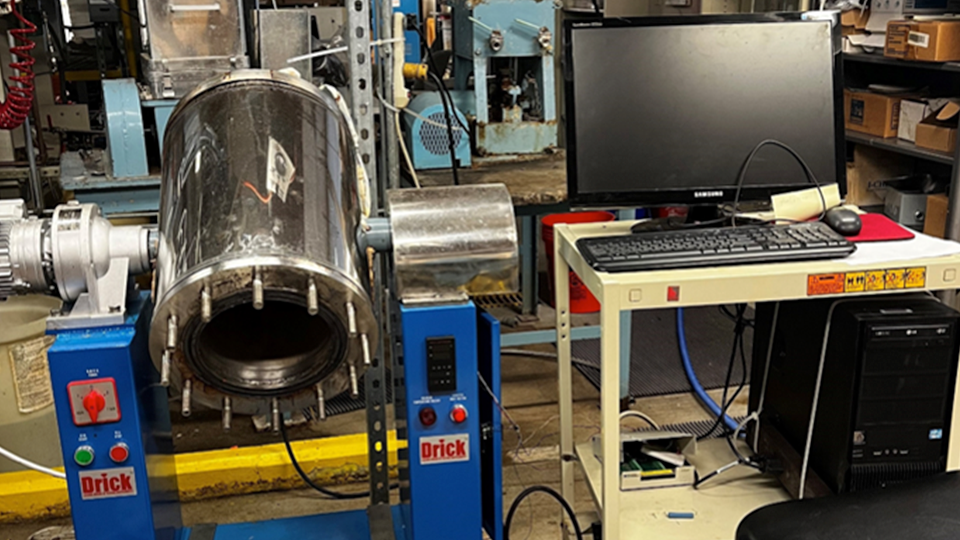
Rotary Digestor
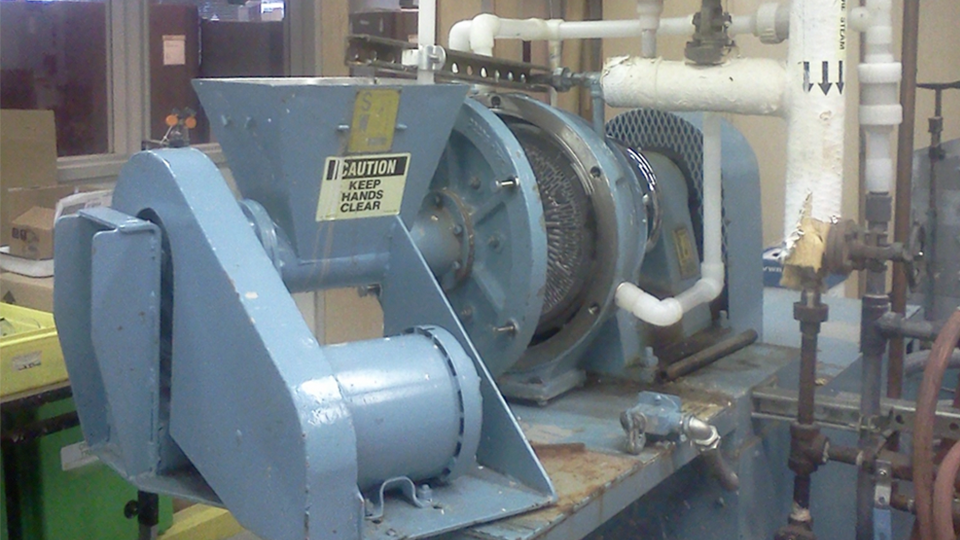
Sprout Waldron 12” Disk Refiner
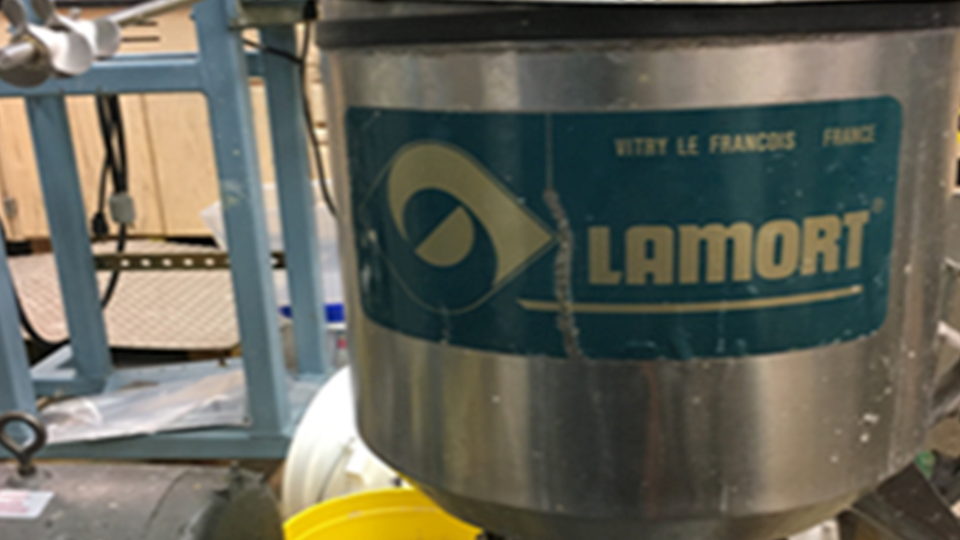
Lamort Pulper for Recycle Pulping
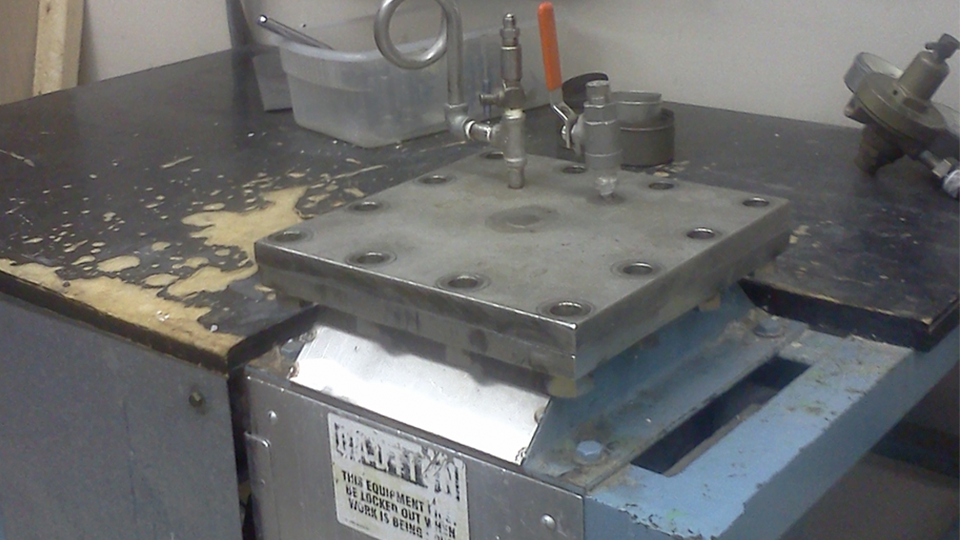
Oxygen Delignification Reactor
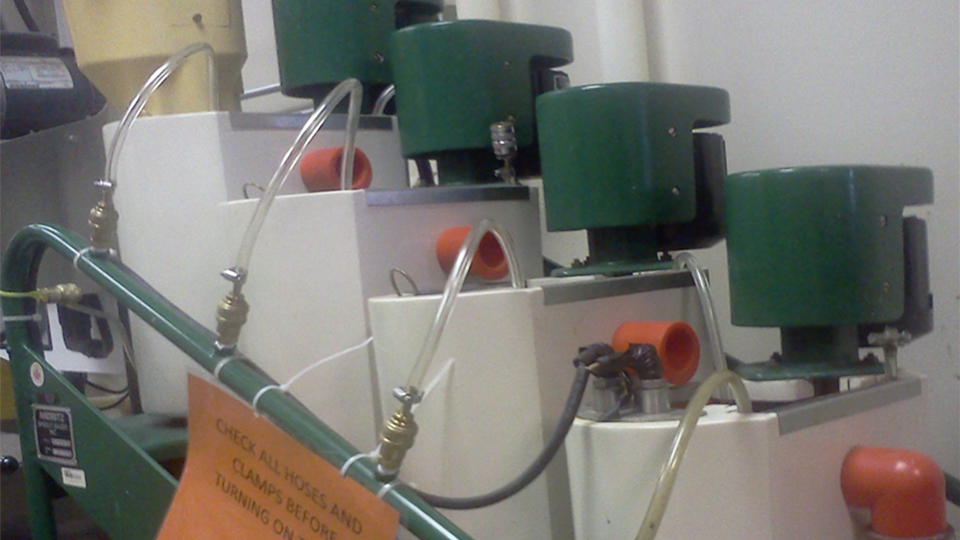
Bauer McNett Type Fiber Classifier
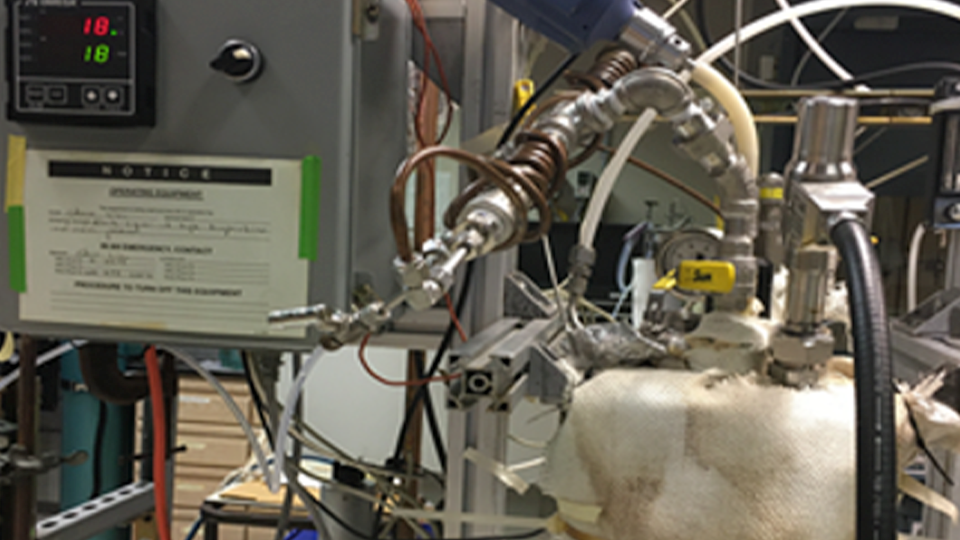
Black Liquor Evaporation Station
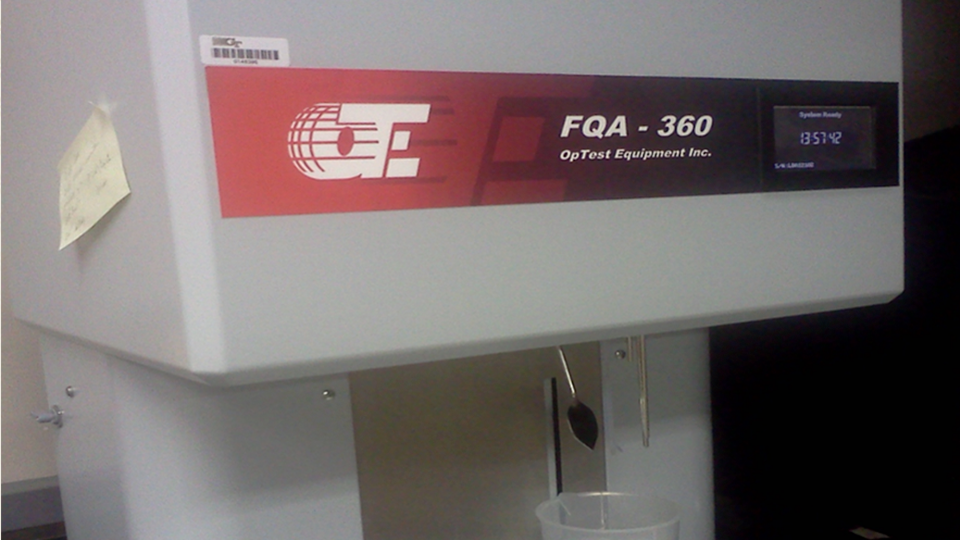
Fiber Quality Analyzer (FQA)
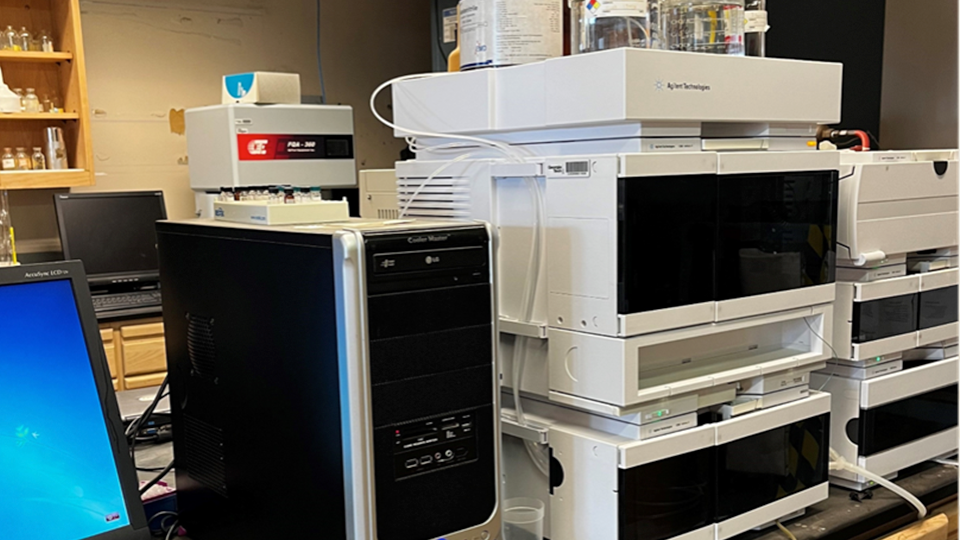
Gel Permeation Chromatography (GPC) Molecular Weight Distribution Measurement
Contact
Rallming Yang
Senior Research Scientist,
Manager, Pulping and Chemical Analytical Lab
Renewable Bioproducts Institute
rallming.yang@rbi.gatech.edu
(404) 894-7862
To Request Testing
- Send e-mail to rallming.yang@rbi.gatech.edu with details regarding the nature of the request, the tests required and the problem or issue that is to be resolved. Provide billing contact name and address.
- Samples via courier (UPS, FedEx, DHL, etc.) may be sent to the attention of:
Rallming Yang
RBI at Georgia Tech
500 10th St. NW
Atlanta, GA 30318-5794
If sending by U.S., mail, replace the ZIP code with 30332-0620 - A Purchase Order for an amount to cover the costs for the requested testing is required.
Georgia Institute of Technology Bursar’s Office/ A/C Receivables
225 North Avenue NW
Lyman Hall Suite #111
Atlanta, GA 30332-0257
A copy of the Purchase Order sent via fax to 404-894-4778 is requested. - The sender should have the name of the appropriate RBI contact and phone number on their invoices/P.O.s
- Receipt of samples coupled with e-mail detailing testing requirements, and any background information initiates the generation of an internal project and officially starts the project.
- The work request is queued with others in order of time of receipt of samples. Work requests may be expedited under special circumstances.
- A report will be issued within the agreed turnaround time.
- Bills are sent separately by mail through the GT accounting system.